


Altitude on Ausangate Trek: Tips to Prevent Sickness in 2026
Altitude on Ausangate Trek: Tips to Prevent Sickness in 2026
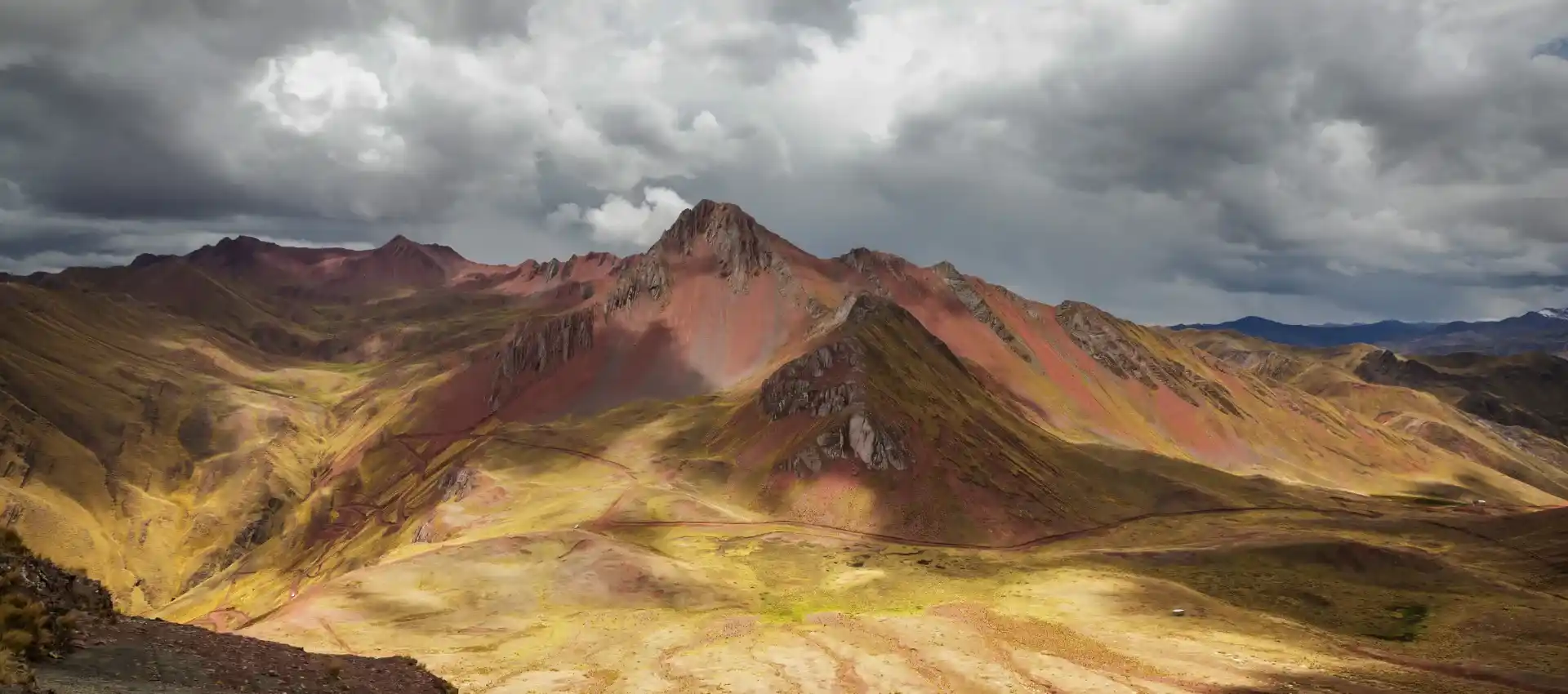
The Ausangate Trek is one of Peru’s most beautiful high-altitude treks, offering breathtaking glaciers, colorful mountains, and remote Andean communities. However, one of the main challenges of this trek is the altitude. Trekkers reach heights above 5,000 meters (16,404 feet), which can cause altitude sickness or soroche if proper precautions are not taken. In this guide, we will provide essential tips to prevent altitude sickness, acclimatize safely, and enjoy the Ausangate Trek in 2026.
Understanding Altitude Sickness
Altitude sickness occurs when your body struggles to adapt to lower oxygen levels at high elevations. Common symptoms include:
- Headache
- Nausea and vomiting
- Fatigue and weakness
- Dizziness or lightheadedness
- Shortness of breath
- Insomnia
Severe altitude sickness, known as HAPE (High Altitude Pulmonary Edema) or HACE (High Altitude Cerebral Edema), is rare but life-threatening. Awareness, preparation, and gradual acclimatization are key to preventing it.
Acclimatization Strategies Before the Trek
Proper acclimatization is crucial for the Ausangate Trek due to the extreme altitudes. Here are the best strategies:
Spend 2-3 Days in Cusco
Cusco is located at 3,399 meters (11,152 feet). Arriving early and spending a few days exploring light activities helps your body adapt to lower oxygen levels before ascending to higher altitudes.
Short Day Hikes for Adjustment
Take short hikes around Cusco or visit nearby archaeological sites like Sacsayhuamán or Moray. Gentle walking at increasing elevations helps your body prepare for longer treks.
Avoid Strenuous Activities Initially
During the first 48 hours in Cusco, avoid heavy exercise or excessive walking. Focus on hydration, light meals, and rest.
Hydration and Nutrition Tips
Stay Well-Hydrated
High altitudes dehydrate your body faster. Drink at least 3-4 liters of water per day and avoid excessive caffeine or alcohol, which can worsen dehydration.
Eat Light and High-Carbohydrate Meals
Meals rich in carbohydrates provide energy and help the body use oxygen efficiently. Avoid heavy fatty foods, which are harder to digest at altitude.
Natural Remedies
In Peru, locals use coca tea or chew coca leaves to alleviate altitude symptoms. These remedies can help mild headaches and nausea, but should not replace proper acclimatization.
Pacing and Trekking Techniques
Walk Slowly and Steadily
Ascend at a moderate pace, allowing your body to adjust gradually. Take frequent breaks to breathe deeply and admire the surroundings. Overexertion increases the risk of altitude sickness.
Use Trekking Poles
Poles help reduce strain on legs, improve balance, and maintain a steady pace on uneven terrain.
Plan Shorter Daily Distances
During the first 1-2 days of the Ausangate Trek, cover shorter distances to allow your body to acclimatize before tackling higher passes.
Sleeping at High Altitudes
Sleeping at altitudes above 4,000 meters can be challenging. Tips include:
- Stay warm with a quality sleeping bag rated for sub-zero temperatures.
- Avoid alcohol before bed, which can disrupt sleep and oxygen absorption.
- Elevate your head slightly with extra clothing or a small pillow to ease breathing.
When to Use Medication
Some trekkers use medication such as acetazolamide (Diamox) to prevent altitude sickness. Consult a doctor before using any medication, and be aware of potential side effects. Medication should complement, not replace, proper acclimatization.
Emergency Measures
- If you experience severe symptoms (shortness of breath at rest, confusion, swelling), descend immediately to a lower altitude.
- Always trek with an experienced guide who can monitor health and provide assistance.
- Carry a basic first-aid kit including painkillers, anti-nausea medication, and oxygen if possible.
Cultural and Environmental Tips
The Ausangate Trek passes through remote Andean communities. Respect local customs, avoid loud noises, and be mindful of sacred sites. The high-altitude environment is fragile, so carry out all waste and use eco-friendly products.
Summary of Altitude Tips for Ausangate Trek
- Acclimatize in Cusco for 2-3 days.
- Walk slowly and steadily during the trek.
- Stay hydrated and eat light, high-carb meals.
- Use trekking poles to reduce strain.
- Avoid alcohol, heavy exercise, and large meals during acclimatization days.
- Consider natural remedies like coca tea.
- Descend immediately if severe symptoms appear.
- Sleep well, stay warm, and rest often.
Conclusion
Trekking the Ausangate Trek in 2026 is a life-changing adventure, but high-altitude conditions require careful preparation. Proper acclimatization, pacing, hydration, nutrition, and awareness of symptoms are crucial for a safe and enjoyable journey. By following these tips, you can prevent altitude sickness, fully appreciate the stunning landscapes, colorful mountains, glaciers, and Andean culture, and create unforgettable memories in the heart of the Peruvian Andes.
Categoires
Recommended Tours
- Sacred valley and Inca Trail 6 days
- Salkantay Trekking and Classic Inca Trail 7 Days
- Salkantay trek and Inca Trail to Machu Picchu 6 days
- Tour Maras Moray and salt mines
- Quad Bikes Maras & Moray
- Cusco Millenary 8 days
- Cusco Millenary 10 days
- Magic Cusco Tour in 5 days
- Cusco Andean tour 6 days
- Cusco Millenary Tour 6 days
Contact information
+51 913855357 +51 975451429 info@ausangatetrail.com Personalized attention in English and Spanish Travel with experts!