


Exploring Cusco’s Culinary Scene: A Gastronomic Journey in the Andes

Exploring Cusco’s Culinary Scene: A Gastronomic Journey in the Andes
Cusco’s allure isn’t limited to its ancient ruins and breathtaking mountains; it extends delightfully to its vibrant and increasingly sophisticated culinary scene. Peruvian cuisine, recognized globally for its diversity and innovation, finds a unique expression in the Andes, blending indigenous ingredients with Spanish influences. From traditional Andean staples to gourmet fusions, dining in Cusco is an adventure for your taste buds, offering flavors as rich and complex as its history.
This guide will take you on a gastronomic journey through Cusco, highlighting must-try dishes, popular dining experiences, and tips for savoring the best of Andean flavors.
-
Traditional Andean Staples: Rooted in History
The culinary heart of Cusco beats with ingredients cultivated for millennia in the high Andes.
- Potatoes (Papas): Peru is the birthplace of the potato, boasting thousands of varieties. You’ll encounter them boiled, fried, mashed, and in stews. Don’t miss papas a la Huancaína (potatoes in a creamy, spicy cheese sauce).
- Quinoa: This ancient grain, a superfood long before the term existed, is a staple. Enjoy it in soups, salads, or as a side dish. Sopa de Quinua is a hearty and nutritious starter.
- Corn (Maíz): Another ancient crop, often served as choclo con queso (large-kernel Andean corn with fresh cheese), a popular snack. You’ll also find maíz morado (purple corn) used for chicha morada (a sweet, non-alcoholic purple corn drink).
- Alpaca: A lean, tender, and distinctly flavorful meat, often served as steaks, in stews, or even as gourmet burgers. It’s a healthy and sustainable choice.
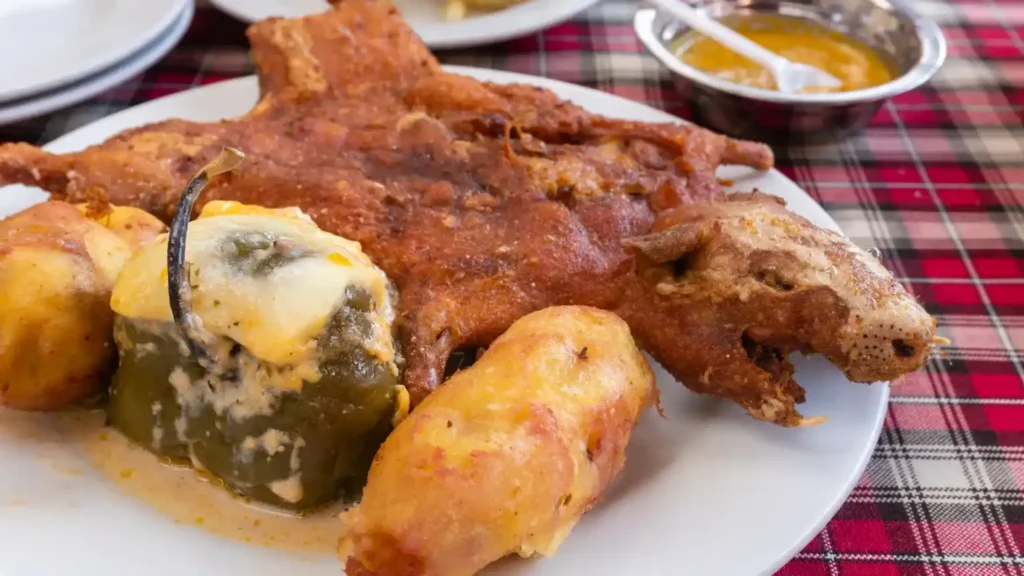
- Cuy (Guinea Pig): A traditional Andean delicacy, often roasted whole and served crispy. While it might be an adventurous choice for some, it holds significant cultural importance and is often a celebratory dish.
- Aji (Chili Peppers): Peruvian cuisine is known for its diverse aji peppers, ranging from mild to fiery. They provide the distinct flavors, rather than just heat, to many dishes.
-
Must-Try Classic Peruvian Dishes
While not all exclusive to Cusco, these national favorites are widely available and expertly prepared.
- Lomo Saltado: A popular stir-fry dish blending Chinese and Peruvian influences. Tender strips of beef, onions, tomatoes, and aji amarillo are stir-fried with soy sauce, served with French fries and rice. It’s hearty and incredibly flavorful.
- Aji de Gallina: Shredded chicken in a creamy, mild, yellow chili pepper sauce, often served with potatoes, rice, and a boiled egg. A comforting and iconic dish.
- Ceviche: While Cusco is far from the coast, many restaurants offer fresh ceviche (raw fish marinated in lime juice with onions, cilantro, and chili). Seafood is transported daily from the coast.
- Pollo a la Brasa: Peruvian rotisserie chicken. Simple, yet incredibly flavorful, often served with fries and salad. A go-to for a casual, satisfying meal.
- Causa Rellena: A colorful and refreshing appetizer. Layers of mashed yellow potato (often flavored with aji amarillo and lime) are filled with chicken, tuna, or vegetables.
-
Dining Experiences in Cusco
Cusco offers a range of dining experiences to suit every budget and palate.
- Mercado San Pedro (San Pedro Market): For an authentic, budget-friendly culinary adventure. Explore the food stalls for local breakfasts (like caldo de gallina – chicken soup), fresh juices, and traditional lunch plates. It’s a vibrant sensory experience.
- Menu del Día / Menú Ejecutivo: Many local restaurants offer a “menu of the day” for lunch, providing a multi-course meal (soup, main course, drink) at an incredibly affordable price (typically 10-25 soles). It’s a great way to try local food.
- Picanterías: Traditional, informal eateries that specialize in hearty, home-style Andean dishes, often with a focus on a few local specialties. Look for them slightly off the main tourist streets.
- Mid-Range Restaurants: The historic center and San Blas neighborhood are packed with excellent mid-range restaurants offering a mix of traditional Peruvian, international, and fusion cuisine.
- Fine Dining & Fusion: Cusco has a growing number of high-end restaurants pushing the boundaries of Peruvian cuisine, blending traditional ingredients with modern techniques and international flavors. These offer sophisticated dining experiences.
- Chicherías: Traditional establishments where you can try chicha de jora (fermented corn beer), an ancient Inca beverage. Look for a red bag hanging from a stick outside the door to indicate it’s open.
-
Drinks to Try
- Pisco Sour: Peru’s national cocktail, a delicious blend of Pisco (grape brandy), lime juice, egg white, simple syrup, and Angostura bitters. A must-try!
- Chicha Morada: A refreshing, non-alcoholic drink made from purple corn, pineapple, cinnamon, and cloves.
- Coca Tea (Mate de Coca): An herbal infusion made from coca leaves, traditionally used to help with altitude sickness. It’s safe and mild.
- Inca Kola: Peru’s iconic bright yellow, bubblegum-flavored soda. A unique experience.
- Local Craft Beer: Cusco’s craft beer scene is growing, with several breweries offering artisanal brews.
-
Culinary Tours and Cooking Classes
To truly dive into Peruvian gastronomy, consider these experiences:
- Food Tours: Many operators offer walking food tours through Cusco, introducing you to local markets, street food, and hidden culinary gems.
- Cooking Classes: Learn to prepare classic Peruvian dishes yourself, often starting with a visit to a local market to select fresh ingredients.
-
Tips for Dining in Cusco
- Try Local: Don’t be afraid to venture beyond tourist menus. Ask locals for recommendations for authentic experiences.
- Water Safety: Drink only bottled or purified water. Avoid tap water.
- “Aji” (Chili) Levels: If you’re sensitive to spice, ask about the aji level. Many Peruvian dishes are flavorful but not necessarily fiery, but some sauces can pack a punch.
- Reservations: For popular fine dining restaurants, especially on weekends, making reservations is advisable.
- Tipping: Tipping 10% is customary in mid-range to high-end restaurants if service charge isn’t already included. For smaller, local eateries, rounding up or leaving a few soles is appreciated.
Cusco’s culinary landscape is a dynamic reflection of its history and cultural diversity. From ancient grains to modern fusions, every meal offers a chance to explore the flavors of the Andes. So, come hungry, be adventurous, and let your taste buds embark on their own unforgettable journey in the Inca capital!
Ready to savor the flavors of Cusco? While Ausangate Trail primarily focuses on unforgettable treks and tours, we’re happy to provide recommendations for the best local eateries and culinary experiences to complement your adventure.
Contact Ausangate Trail today and let’s plan your complete Peruvian experience, from mountain peaks to gastronomic delights!
Categoires
Recommended Tours
- Sacred valley and Inca Trail 6 days
- Salkantay Trekking and Classic Inca Trail 7 Days
- Salkantay trek and Inca Trail to Machu Picchu 6 days
- Tour Maras Moray and salt mines
- Quad Bikes Maras & Moray
- Cusco Millenary 8 days
- Cusco Millenary 10 days
- Magic Cusco Tour in 5 days
- Cusco Andean tour 6 days
- Cusco Millenary Tour 6 days
Contact information
+51 913855357 +51 975451429 info@ausangatetrail.com Personalized attention in English and Spanish Travel with experts!